


 All Articles

How a Dog Named Moka Brought a Community Together and Found His Way Home
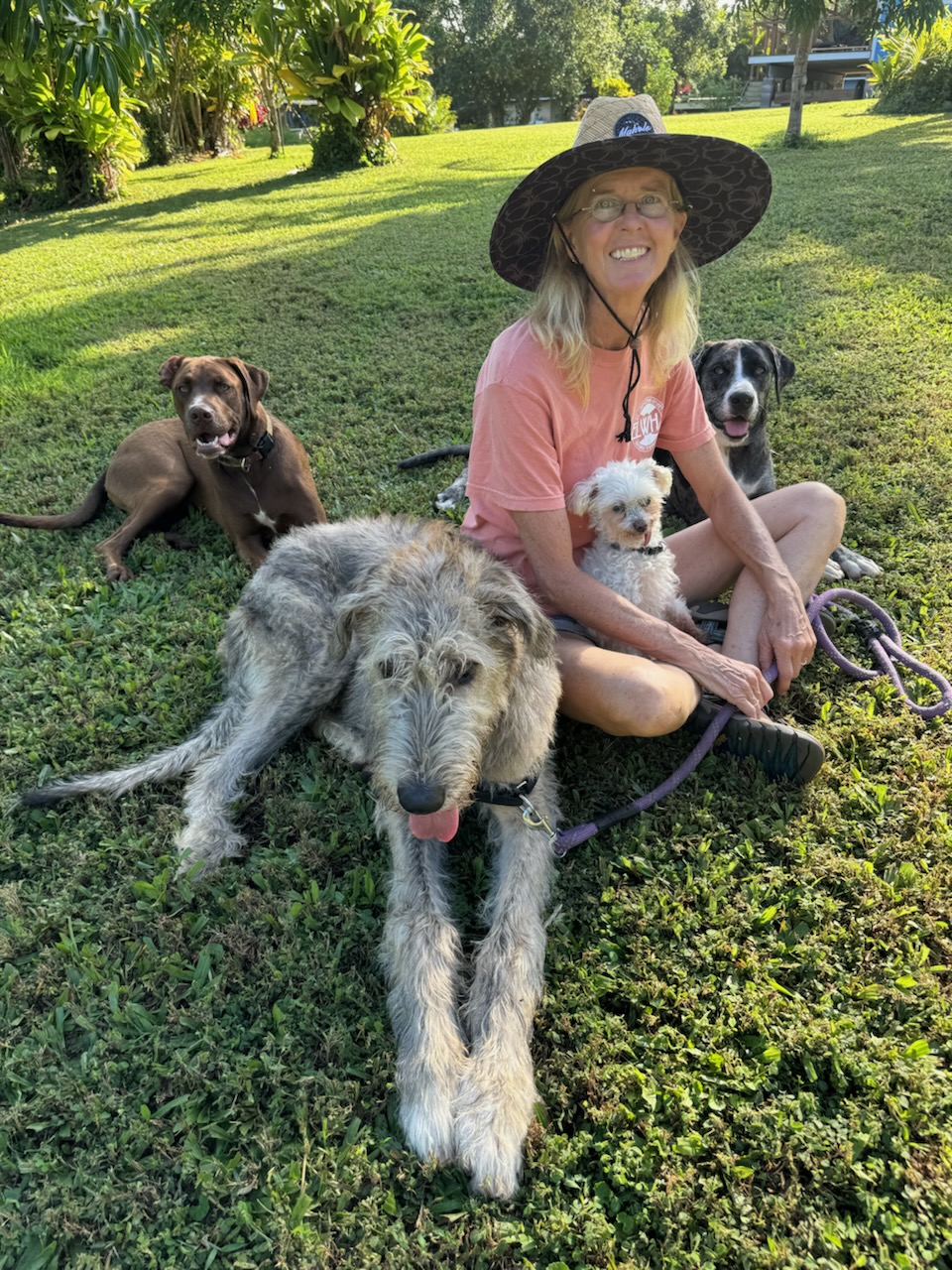
Geoffrey and Carla Wood have called Maui home for over a decade. They have built a life as windsurfers, fruit growers, and devoted members of Maui Therapy Dogs, a group of volunteers who train their own dogs to bring comfort and joy to nursing homes, schools, and hospitals across the island.
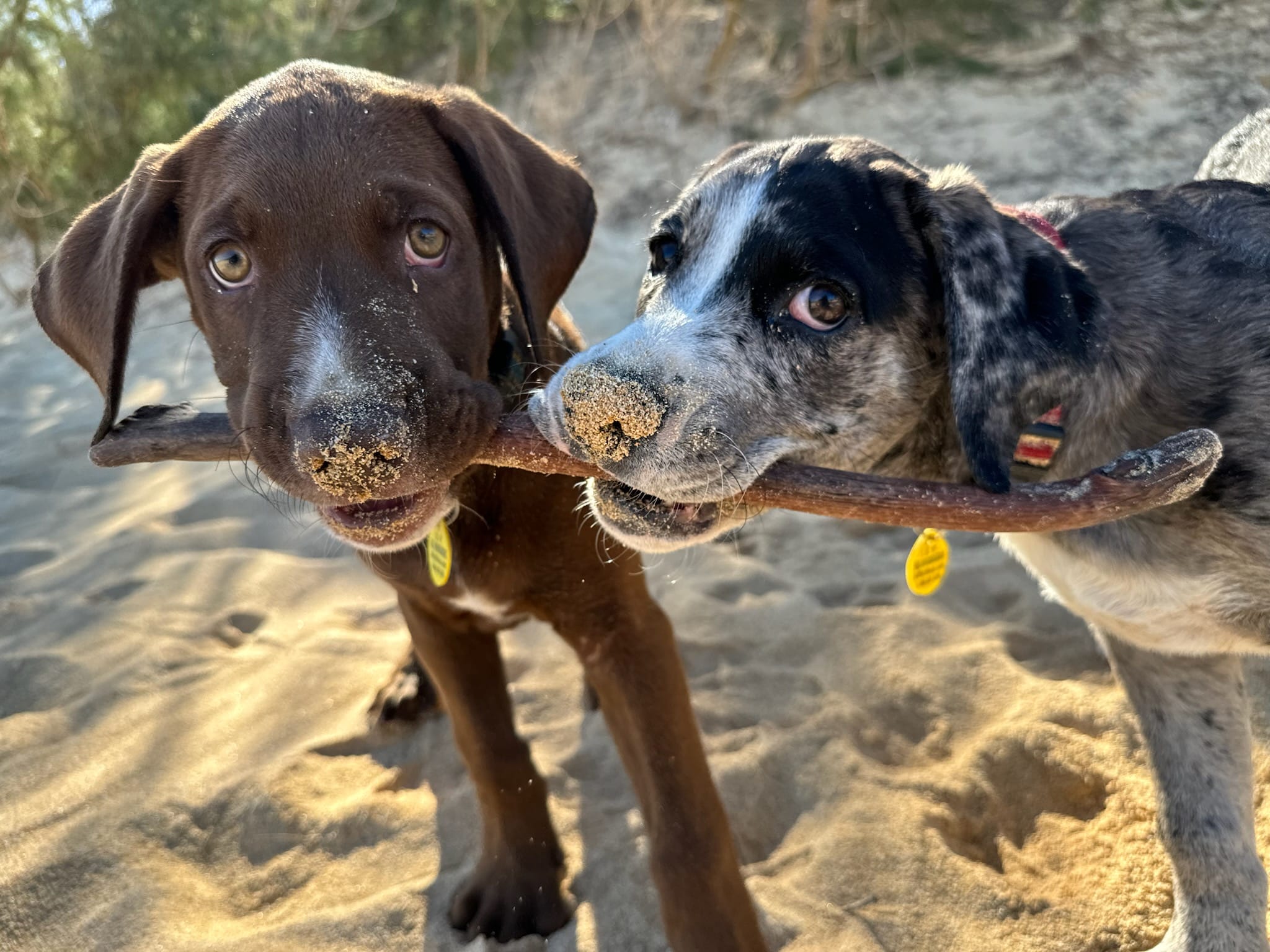
It was through Craigslist, of all places, that they found their next chapter. Browsing one afternoon, Carla spotted a litter of puppies born on the neighboring street. She and Geoffrey went to look, and Carla said she found Meeko, a sociable, endlessly affectionate pup who would go on to become a certified therapy dog. And Geoffrey found Moka, who is Meeko’s brother.
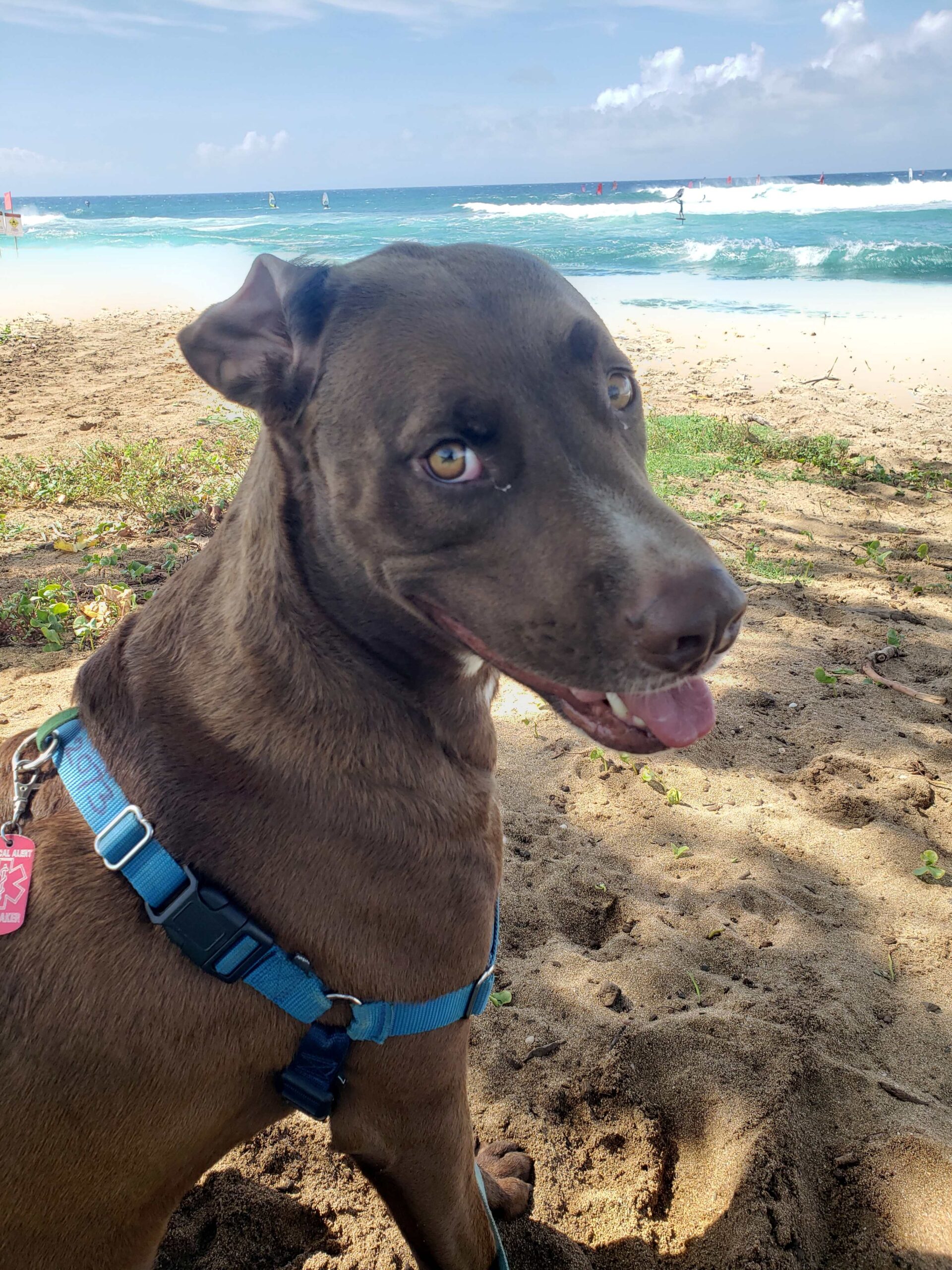
Moka, the big brown dog with the warm eyes and mocha-colored coat, was named for two things at once: the color of the only coffee drink Geoffrey orders, and the valley in Trinidad and Tobago where he attended high school and holds some of his best memories. Coincidentally, Moka was born on October 8, the same day as Geoffrey. “Maybe 50 something years difference,” Geoffrey laughed, “but we share a birthday.” It was a beautiful beginning. What came next tested everyone.
A Heart That Needed Help
Moka was about two years old when the seizures began. The first episode was so severe that Carla told Geoffrey to say goodbye that night. “It was very bad,” Geoffrey said with a heaviness in his breath. The veterinarian suspected a toad or a toxin, a common culprit on Maui, where cane toads and giant snails pose a real threat to curious dogs. They watched, and waited.
A year later, it happened again, so the veterinary team went deeper. An echocardiogram revealed Moka had a rare genetic heart condition called atrial myopathy with persistent atrial standstill, in which the heart’s upper chambers, the atria, stop contracting. His heart rate had dropped into the low 20s and 30s when it should have been between 60 and 120. The seizures, lost vision and near loss of consciousness all traced back to Moka’s heart not getting enough blood and oxygen.
He needed a pacemaker. And the road to getting one would take a village.
A Community Steps Up
The first quotes for the procedure on Oahu were about $20,000. Geoffrey and Carla quietly began to make peace with the idea that Moka might simply have to live out whatever time he had left. Then the president of the Valley Isle Kennel Club stepped in.
Members of the group spoke to veterinary contacts across the islands. The head of the local veterinary society explored every option. Someone recommended Washington State University Veterinary Teaching Hospital in Pullman, Washington. It is one of the best veterinary hospitals in the Pacific Northwest, and the procedure could be done for less than a third of the cost on Oahu. Pet insurance covered the majority. Friends, family, and the Woods themselves covered the rest.
But there were more obstacles for Moka. Hawai‘i has strict agricultural protocols that govern when and how animals can travel. A standard exemption takes months. With Moka’s heart condition, the Woods did not have months. Working directly with the state agricultural department, Carla secured a rare medical exemption. Within six days of Moka receiving his rabies vaccination, they were on a plane to Portland, Oregon.
The flight across the Pacific was its own act of courage. Due to the medical exemption, Moka had to travel in the hold, separated from Geoffrey and Carla. At cruising altitude, the change in air pressure alone could have stopped Moka’s heart. When they landed in Portland and Moka walked out of his crate with his tail wagging, Geoffrey and Carla allowed themselves to breathe again.
“We were both super relieved that he made it to the other side.”
Carla Wood
The car ride to Pullman followed. At the university, Moka was met by two escorts who cleared hallways ahead of him so he would not be exposed to any other animals. A team of five cardiologists worked on Moka’s case, and Geoff said the doctors’ communication was both amazing and comforting. Moka came through the procedure like a “champion.”
Where Mokulele Comes In
From the moment they began planning Moka’s care, Geoffrey and Carla thought about interisland travel. Moka now sees Dr. Deborah Fine, a veterinary cardiologist in Kona, for ongoing pacemaker monitoring.
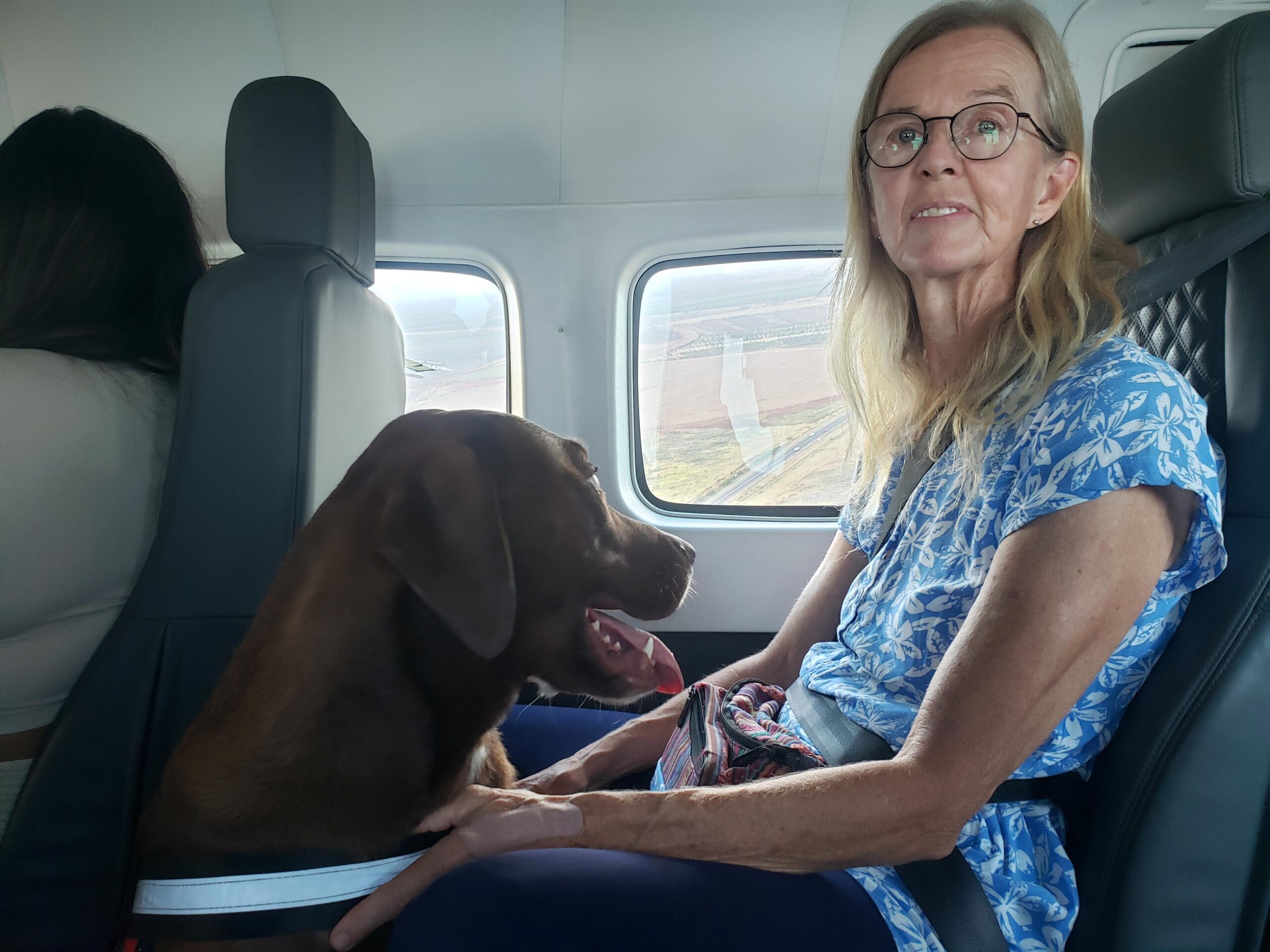
Transporting Moka from Maui to Kona safely required careful consideration of altitude. Commercial flights cruise at 30,000 feet or more. Mokulele flies at a fraction of that, rarely above 10,000 to 12,000 feet. That means lower pressure, more oxygen, and a far more gentle trip for a dog with a pacemaker in his chest.
“Moka took the ride as though he was riding in a car. He was looking out the window like, ‘oh, this is kind of fun.’”
Carla Wood
And the experience at the airport itself? Geoffrey said it was night and day compared to navigating a major carrier with a medically fragile dog.
“You walk into the terminal and you are dealing one-on-one with people. You get off and you are dealing one-on-one with people. There were no crowds, no confusion, no having to explain his medical exemption to stranger after stranger. It was calm. It was personal. It felt like the right fit,” Geoffrey said.
On the return evening flight, other passengers from the morning departure were also heading back to Maui. They had all heard about Moka at the gate that morning. They wanted to know how his appointment went. They looked at photos. They compared stories about their own days on the Big Island doing a volcano visit, a family reunion, or a quick trip back. Geoffrey and Carla made friends on that flight.
What Comes Next
Moka is thriving. For the first time in over a year, he is back on the agility course, climbing and sprinting his way through the obstacles he loves. His heart, now steadied by a small device in his chest, keeps pace with the dog he has always been.
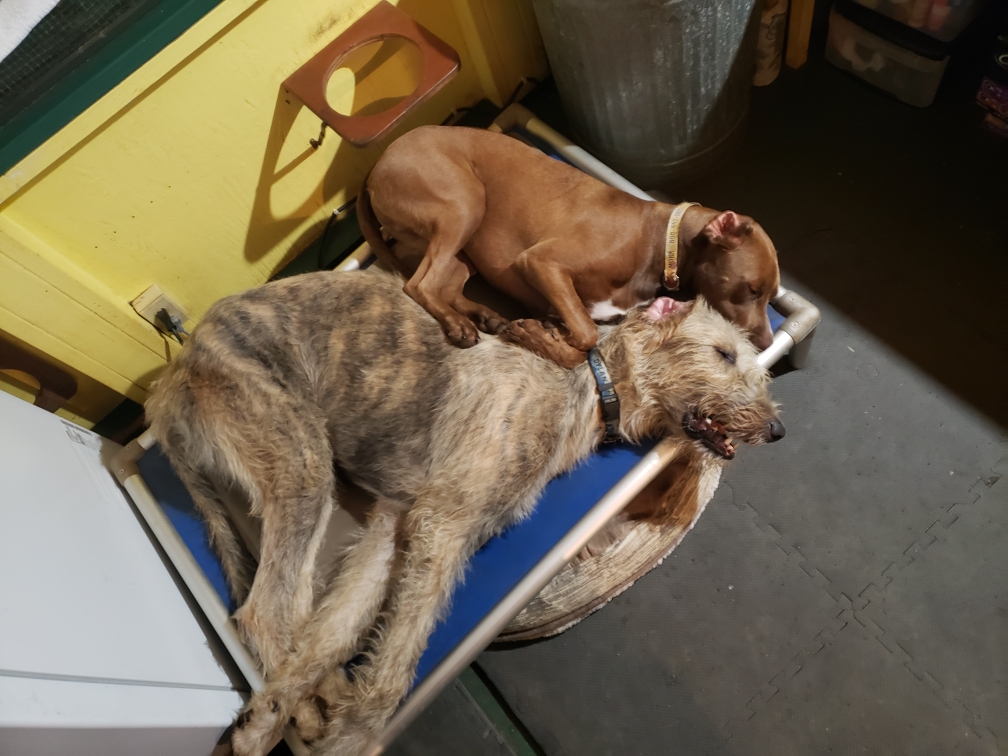
His sibling Meeko visits schools and nursing homes and sits quietly with people in the last chapter of their lives, offering the kind of comfort that no medicine quite replicates. His brother Dylan, an Irish Wolfhound, does the same. Geoffrey and Carla plan to fly Mokulele to Kona twice a year for as long as Moka needs the expert care that Dr. Fine and Ali‘i Veterinary Hospital offer.
“It’s going to be Mokulele for all our interisland. It is just so much better.”
Geoffrey Wood
Mahalo to Geoffrey and Carla Wood for sharing Moka’s story, to the Maui Therapy Dogs for their incredible work, to the Valley Isle Kennel Club community for their extraordinary support, to Washington State University Veterinary Teaching Hospital for its world-class care, and to Dr. Fine in Kona for being there when it mattered most.
Mokulele Airlines is proud to serve the people and animals of Hawai‘i with twice-daily nonstop service between Kona and Maui. Learn more at mokuleleairlines.com.


